
Academic exchange visit / EXCHANGE & EVENTS
University of Guam Exchange Visit
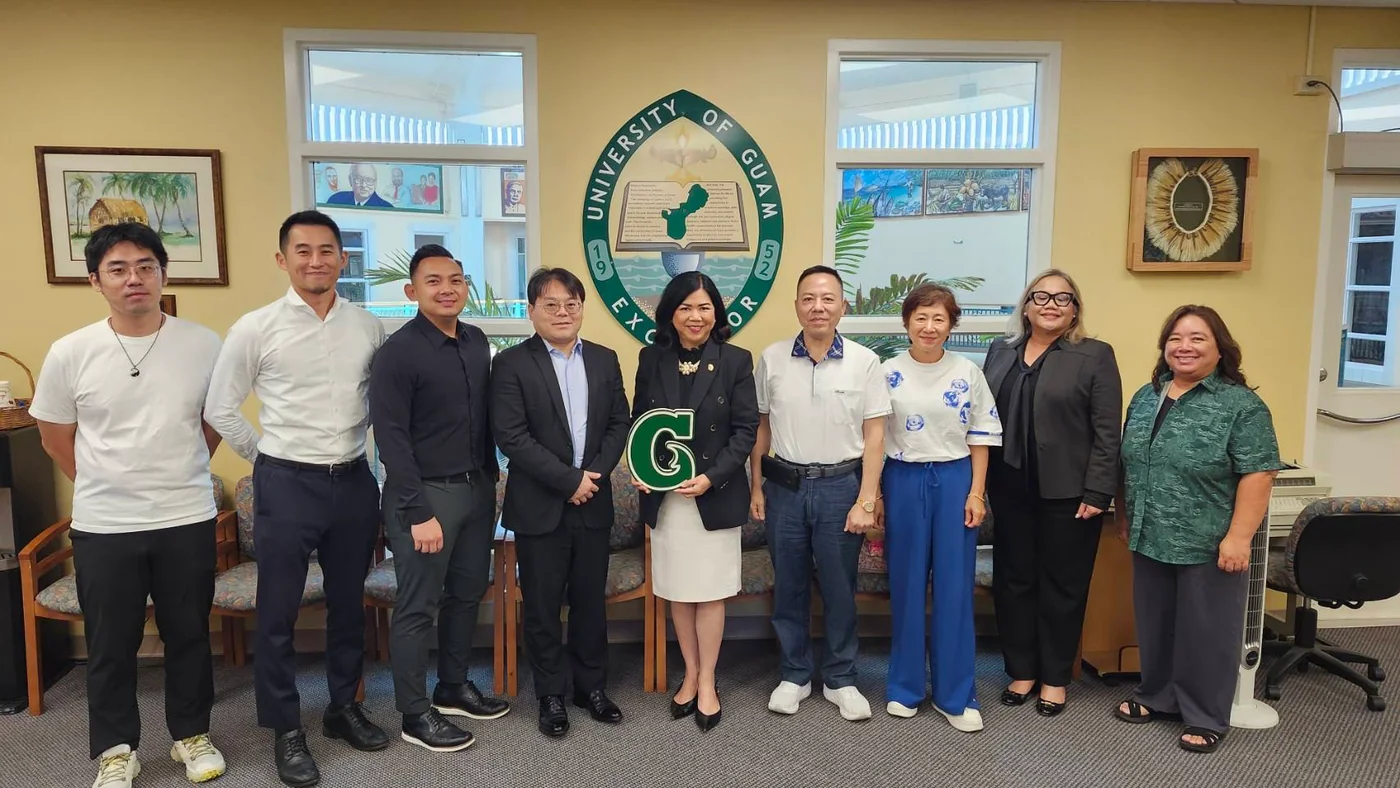
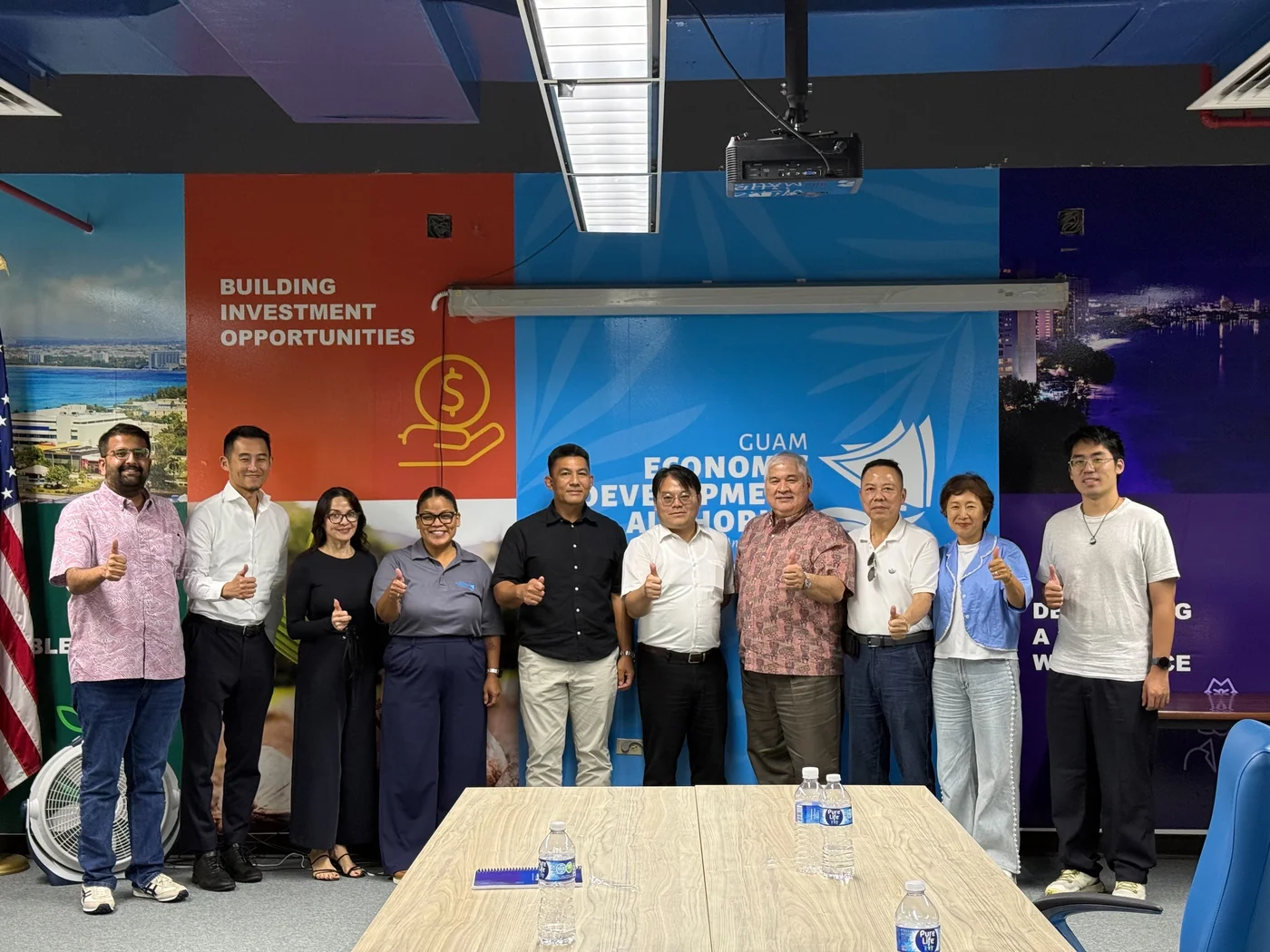
At UOG’s invitation, Director Kang Li visited Guam on October 22–23, 2026, and met representatives of the Guam Economic Development Authority. The exchange addressed research in unmanned and autonomous systems, professional education, and regional industry–academia cooperation.
- Event date
- 2026.10.22 — 2026.10.23Event recap
- Event location
- University of Guam and exchange venues in Guam
- Center’s role
- The Center Director visited at the invitation of the University of Guam, sharing expertise in unmanned vehicles and exploring research, talent-development, and industry collaboration.
- Organizers and partners
- Invited by the University of Guam; visit by Kang Li, Director of the Unmanned Vehicles Research and Development Center, NTU
Visit Background and Interuniversity Exchange
At the invitation of the University of Guam (UOG), Kang Li, Director of the Unmanned Vehicles Research and Development Center, National Taiwan University (NTU), visited Guam on October 22–23, 2026. UOG issued its formal invitation on October 16, following preliminary contacts in Taipei, proposing collaboration that connects NTU’s unmanned vehicle expertise with Guam’s regional research resources.
The visit addressed academic research, technology development, and professional education. Engagement with representatives of UOG and the Guam Economic Development Authority provided a basis for interuniversity and regional industry connections. This account draws on the invitation, visit photographs, and official institutional information to explain the context and prospective areas for further work.
Research Directions in Unmanned and Autonomous Systems
The invitation identified unmanned aviation, maritime vehicles, and autonomous systems as potential research areas, including assessment of Guam’s geographic setting for research, testing, and development. Environmental perception, localization and navigation, mission planning, control, and hardware–software integration provide possible interdisciplinary themes.
From a systems engineering perspective, subsequent work could define sensing requirements, positioning reliability, communications conditions, and validation methods for aerial or maritime missions. Comparing simulation, ground integration, and environmental test requirements would help establish research questions and evaluation methods for joint proposals and experimental design.
Faculty and Student Exchange and Professional Education
Prospective educational activities include faculty and student exchange, collaborative research, specialized training, and skills development in emerging technologies. UOG’s invitation referenced its School of Engineering, NASA Guam Space Grant Program, UOG Drone Corps, and Sea Grant as existing resources connecting engineering education, research participation, and regional workforce needs.
UOG’s official description of Drone Corps combines UAV knowledge courses, practical training, and mission participation, with applications including remote sensing, mapping, imaging, and environmental work. This established approach offers context for comparing operational training, research practice, and internships, and for identifying complementary course topics, expertise, and exchange opportunities.
Marine and Environmental Research Context
UOG Sea Grant’s published research priorities include coastal ecosystems, sustainable fisheries and aquaculture, community resilience, and environmental education and workforce development. Its regional research and outreach provide a marine science and environmental monitoring context for the maritime and autonomous vehicle topics identified in the invitation.
Future vehicle research could be developed around specific scientific questions, including imagery and sensor acquisition, mission coverage, data quality, and long-term observation requirements. Collaboration between engineering and marine or environmental specialists would allow vehicle performance and research data needs to be considered together when defining projects.
GEDA Exchange and Regional Industry Connections
The delegation also met with representatives of the Guam Economic Development Authority (GEDA). Its official information describes responsibilities in economic development, investment promotion, and business support, including economic diversification. Exchange with a regional institution of this kind provides context on industry conditions and collaboration requirements beyond academic research.
The invitation proposed examining links among research, development, manufacturing, and assembly through academia, industry, and government. Subsequent assessment could consider technology readiness, supply-chain coordination, professional skills, and local applications to define an appropriate scope for research translation and industry–academia collaboration.
Further Collaboration Development
The visit extended existing contacts and established a basis for further research, educational exchange, and regional cooperation in the western Pacific. Areas for continued discussion include shared research topics, faculty and student participation, specialized training, joint proposals, and access to external research resources.
Subsequent work should identify participating units, responsibilities, data and equipment requirements, milestones, and evaluation methods in accordance with research needs and complementary expertise. Research, training, and testing arrangements will be developed within the scope and conditions confirmed by both parties.
IN PICTURES
Exchange photos
CONNECT WITH US
Industry–academia collaboration
and technical exchange
Connect academic expertise with industry requirements to develop collaboration in unmanned vehicle research, systems integration, and professional education.